






By | Kamran Ashraf Bhat
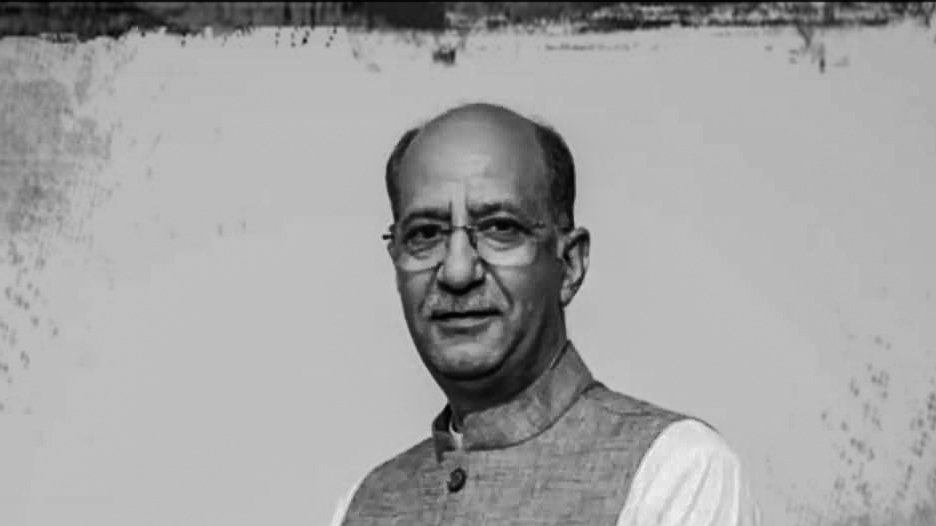
As the dust settles from a contentious election campaign, The Spotlight’s Investigative Unit has embarked on an analysis of one of the most significant post-poll upsets: the surprising loss of National Conference (NC) stalwart Nasir Aslam Wani to the People’s Democratic Party’s (PDP) Mir Mohammad Fayaz in Kupwara. Wani, a close confidant of Chief Minister Omar Abdullah, finished second in a race that saw Fayaz take the seat with a commanding lead.
In the heat of political battles, data and facts are often overshadowed by emotion, making it all the more essential to scrutinize the aftermath with a clear, dispassionate lens. On the surface, the outcome seems straightforward: Fayaz, now MLA, secured 27,773 votes, while Wani managed only 17,976, a margin of over 9,000 votes. Yet, as the political landscape shifts post-election and government formation takes shape, the true narrative may be more complex.
Wani’s defeat might seem a straightforward rejection, but the post-election picture reveals a different dynamic. Despite losing the race, he has since re-emerged as a key figure in the government, assuming the influential role of advisor to CM Omar Abdullah. The loss has not relegated him to obscurity. Instead, it has positioned him to continue wielding significant influence over the region’s development, potentially undermining Fayaz’s ability to make an impact as an outsider within the opposition.
One of the central challenges of Wani’s campaign was his perceived status as an outsider. His team struggled to construct an effective counter-narrative to this damaging label, which ultimately became a decisive factor in his loss. Fayaz capitalized on his local roots, while Wani’s lack of a solid voter base in the rural constituency worked against him. Kupwara has traditionally voted along familiar, deeply entrenched lines, and Wani’s presence was disruptive to that pattern.
However, in urban constituencies, voters are less swayed by sentiment and more by pragmatic considerations of governance and representation. Wani’s long-term efforts to engage with Kupwara’s electorate, even after his loss, have begun to pay off. He is becoming a more familiar and trusted figure among local residents, which bodes well for his future political prospects. As Fayaz faces the limitations of being an opposition MLA with little access to government resources, Wani’s ability to leverage his position within the administration could win him support in the next election cycle.
But the road ahead for Wani is not without its challenges. Now based primarily in Srinagar, Wani will need to maintain a delicate balance between his government duties and the need to cultivate a grassroots following in Kupwara. If he hopes to strengthen his position and transform this loss into a long-term victory, he will need to be present, accessible, and willing to meet the needs of the people he once sought to represent. Political winds are always shifting, and yesterday’s adversaries can become tomorrow’s allies.
Ultimately, the story of Nasir Aslam Wani’s defeat is far from over. The question now is not whether he will bounce back, but how—and whether he can turn this setback into a springboard for future success in a region where political loyalty runs deep but can also be fragile.
This op-ed is an analysis of the post-election and government formation scenario in Kupwara. The views expressed are the author’s and reflect a critical examination of the events surrounding Nasir Aslam Wani’s political trajectory.