








By | Danish Naseer
Jammu & Kashmir, March 18: A high-security alert has been issued across Jammu and Kashmir following a wave of deadly terror attacks in Pakistan, including the targeted killing of Lashkar-e-Taiba (LeT) commander Zia-ur-Rehman. The heightened threat perception has prompted security agencies to adopt extraordinary measures, fearing potential retaliatory strikes from Pakistan-based terror outfits.
Security forces across the region have been ordered to remain on high alert, intensify patrolling, and strengthen counter-infiltration operations along the Line of Control (LoC). Protected persons, politicians, and high-profile individuals have been strictly advised to adhere to security protocols, as intelligence inputs warn of possible targeted attacks.
The alert comes after a series of attacks in Pakistan’s Balochistan province, where militants hijacked a train and carried out targeted assassinations. Among those killed was Zia-ur-Rehman, a senior LeT commander with deep links to terror networks operating in Jammu and Kashmir.
Zia-ur-Rehman, who was assassinated along with his bodyguard in Jhelum, Pakistan, was a key figure in Pakistan’s proxy war against India. His elimination has sent shockwaves through terror organizations, with intelligence agencies intercepting threats of revenge attacks targeting Indian soil.
Zia-ur-Rehman’s name is synonymous with some of the most brutal terror attacks in Jammu and Kashmir. He was the mastermind behind the January 2023 Rajouri attack, in which seven civilians were mercilessly killed. His hand was also evident in the June 2024 Reasi pilgrim bus attack, where a bus carrying Hindu pilgrims was ambushed, leaving nine people dead and several injured.
For years, Rehman operated terror cells in Poonch and Rajouri, recruiting locals into militant ranks and orchestrating infiltration attempts from across the border. His death in Pakistan may have weakened LeT’s operational command, but security agencies believe it could provoke a fresh wave of violence in India.
Intelligence agencies have picked up credible inputs suggesting that terror groups, enraged by Zia-ur-Rehman’s assassination, are plotting revenge strikes in India. Security officials warn that militants could resort to ‘lone wolf’ attacks, targeted assassinations, IED blasts, or cross-border infiltrations to strike at security forces, politicians, and civilians.
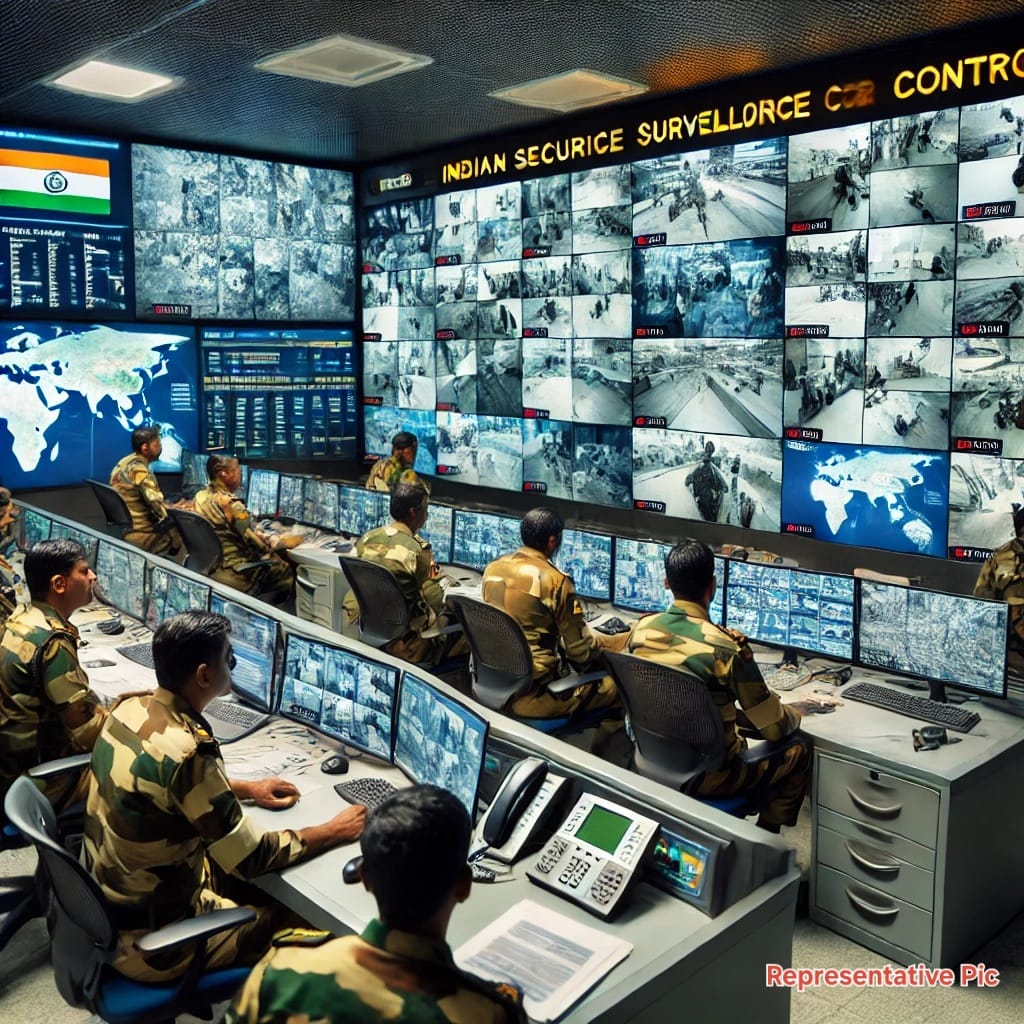
In response, security has been beefed up around government installations, religious places, public spaces, transit hubs, and VIP routes. Night surveillance drones have been deployed in border areas, while counter-infiltration grids have been activated along the LoC.
With terror groups eyeing high-profile targets, security agencies have issued strict guidelines for protected persons and politicians. All travel plans must be pre-approved by district police, and last-minute itinerary changes have been strictly prohibited to prevent security lapses. Movement in vulnerable areas after sunset has been discouraged, and all public appearances must be minimized.
A senior police official stated, “Given the heightened threat perception, we are leaving nothing to chance. All protected persons have been instructed to follow security protocols without any deviation. Any breach could have catastrophic consequences.”
As the situation remains tense, authorities have urged the public to stay alert and immediately report any suspicious activity. Citizens have been advised to avoid unnecessary travel to sensitive areas and follow all security advisories issued by the government.
Security analysts believe the coming days will be crucial in determining how terror outfits respond to Rehman’s killing. “We know how these groups operate. When they lose a key commander, their first instinct is revenge. The next few weeks will be critical,” an intelligence official warned.